Gainesville Water Heater Troubleshooting
Water Heater Repair in Gainesville, GA
Having trouble with your hot water? Call (470) 228-4250
Get to the Bottom of Your Hot Water Problem
When your water heater stops producing enough hot water, everyday routines become frustrating. You may notice lukewarm showers, inconsistent temperatures, unusual sounds, or moisture around the equipment. Pro Plumbers Gainesville provides water heater troubleshooting and repair services for customers throughout Gainesville, Georgia, and surrounding communities.
A water heater problem does not always mean the entire unit needs replacement. Some issues involve individual components, controls, valves, or connections. Others may indicate significant tank deterioration or broader equipment failure. We assess the symptoms and explain the practical options before recommending a course of action.
Pro Plumbers Gainesville Is Proud to Serve Gainesville Area
Common Water Heater Problems
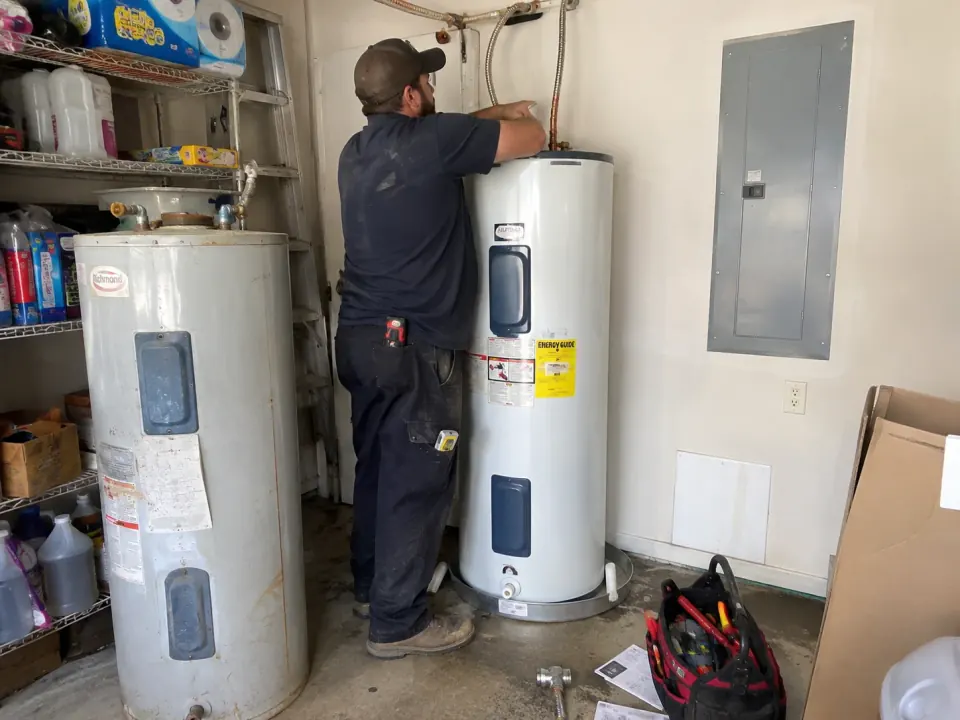
Water heaters work behind the scenes, which means a problem may develop before it becomes obvious. Some homeowners first notice that showers are shorter than usual. Others find water around the unit or hear new noises when it heats. These changes are worth investigating because they may point to different underlying conditions. Traditional tank water heaters store heated water for household use. Tankless systems heat water as needed and use a different arrangement of components and controls. The appropriate troubleshooting process depends on the equipment type and its fuel or energy source. Loss of hot water may be associated with a heating component, control issue, energy supply problem, or another equipment fault. Temperature fluctuations may have several possible causes, including demand patterns and system condition. We review the details before assuming any particular part has failed. Leaks deserve careful attention. Moisture may come from a connection, valve, or fitting, but a leaking storage tank can indicate a more serious condition. The distinction matters because some leaks can be repaired while tank failure generally calls for replacement. Water heater noises may result from sediment accumulation, heating activity, or equipment wear. The sound itself does not provide a complete diagnosis, so we consider it alongside the heater's age, performance, and visible condition. We also help customers think through the long-term value of a repair. A relatively new heater with a repairable component problem presents a different decision from an aging unit with repeated failures. Our aim is to provide useful information so you can decide what makes sense for your home and budget.
No Hot Water
A complete loss of hot water can involve heating elements, controls, energy supply, or other equipment components. The cause depends on whether the water heater is electric, gas-fired, or another type. We evaluate the reported symptoms and appropriate components to identify possible repairs. If the issue involves unsafe operating conditions, the equipment may need to remain out of service until it is properly addressed.
Inconsistent Water Temperature
Water that alternates between hot and lukewarm can make showers and other household tasks uncomfortable. The issue may involve heater performance, controls, capacity, or other plumbing factors. We assess when the temperature changes occur and how the unit is operating. This helps determine whether a repair, adjustment, or broader equipment discussion is needed.
Water Heater Leaks
Moisture around a water heater should be investigated before it causes additional damage. Leaks may involve accessible connections or valves, but a damaged storage tank may not be repairable. We examine the affected area and explain the likely source. If replacement is more appropriate than repair, we discuss the reasons rather than recommending repeated temporary work.
Unusual Water Heater Noises
Popping, rumbling, or other new sounds may indicate changes inside the equipment or its operating conditions. Sediment and mineral accumulation can contribute to certain noises in storage-type heaters. We consider the unit's age, maintenance history, and performance when recommending the next step. Not every sound requires replacement, but persistent changes should not be ignored.
Water Heater Controls and Components
Some water heater failures involve replaceable components rather than the entire unit. Whether replacement parts are appropriate depends on the model, condition, and specific failure. We explain the repair scope and whether the expected benefit supports investing in the existing heater. Safety-related components require particular care and should not be bypassed.
Water Heater Repair Pricing
| Service | Estimated Cost | Average |
|---|---|---|
| No-hot-water diagnosis | Quote after assessment | Varies by heater type |
| Control or component repair | Quote after inspection | Varies by parts |
| Connection or valve leak | Quote after inspection | Varies by repair scope |
| Temperature troubleshooting | Quote after diagnosis | Varies by cause |
| Water heater condition assessment | Confirm service charges | Varies by equipment |
Water heater repair costs depend on equipment type, parts, access, and the diagnosed failure. These descriptions are not published price estimates or local market averages.
Why Choose Us for Water Heater Repair?
Repair Before Replacement Discussion
We assess whether a repair is reasonable before discussing the need for a new unit.
Equipment-Specific Assessment
We consider the type, age, and condition of the water heater.
Clear Cost Considerations
We explain the repair scope so customers can compare it with potential replacement.
Attention to Safety
We take leaks and potential electrical or gas-related concerns seriously.
Contact Us Today for a Free Estimate
No hot water or a leaking heater? Tell us what is happening and request a water heater assessment.
Call to discuss service availability
How Water Heater Repair Works
Describe the Problem
Tell us the heater type if known, the symptoms, and when they began.
Assess the Equipment
We review relevant components, visible conditions, and operating symptoms.
Discuss the Findings
We explain the likely fault and whether repair appears practical.
Approve the Work
You review the recommended scope and associated costs before authorizing the repair.
Complete and Check the Repair
We perform the agreed work and review operation as appropriate.